Featured
Table of Contents
- – The Shift Toward Quantifiable Style Results
- – Data-Informed Strategy and AI Search Presence
- – Case Study Analysis: ROI Through Iterative Ch...
- – The Role of Multi-Channel Integration
- – AEO and the Development of Content Design
- – Technical Efficiency as a Style Metric
- – Conclusion of 2026 Standards
The Shift Toward Quantifiable Style Results
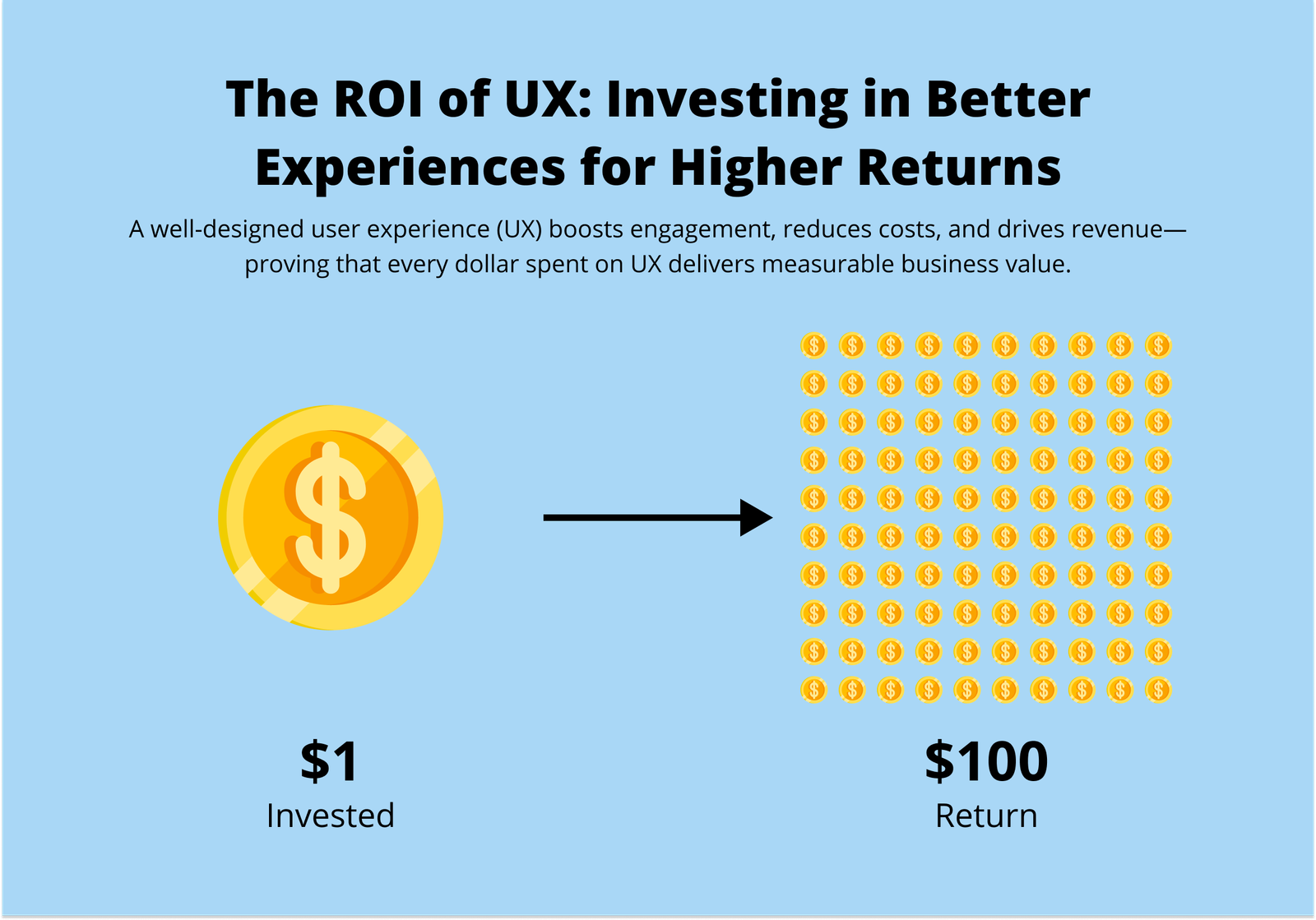
Style success in 2026 is no longer a matter of opinion or visual preference. Marketing executives and business owners have actually moved far from subjective examinations, requiring clear evidence of how visual and structural changes effect revenue. This shift has turned the web style procedure into a data-heavy discipline where every choice is evaluated against specific efficiency indicators. In cities like Denver and Chicago, business are progressively trying to find ways to prove that their digital presence adds to the growth of the company in a measurable way.
Steve Morris, CEO of NEWMEDIA.COM, has frequently highlighted this trend in major market publications. He mentions that the integration of AI into search and user behavior tracking has actually made it possible to see precisely how a style model affects a user's decision-making process. For projects focusing on timeline archives, the objective is to produce an environment where data guides the creative procedure instead of following it. This approach makes sure that the last item is developed to carry out in a competitive 2026 market.
Data-Informed Strategy and AI Search Presence
The rise of AI search optimization (AEO) and generative engine optimization (GEO) has actually changed how success is measured. It is no longer enough to rank on the very first page of conventional search results. A website needs to now be structured so that AI models can easily parse and recommend its content. This is where platforms like RankOS entered play. By utilizing these tools, services can see how their digital architecture affects their visibility within AI-generated actions.
Determining the effectiveness of these methods includes taking a look at "search footprint" rather than just keyword rankings. When a brand name in a competitive sector updates its site, the success of that update is judged by how frequently AI representatives cite the site as a primary source. This technical requirement has actually made the relationship in between design and SEO more intimate than ever in the past. Success in 2026 requires a website to be clear to both human eyes and maker algorithms simultaneously.
Case Study Analysis: ROI Through Iterative Checking
Concrete examples of this data-driven technique typically include specific technical overhauls that target clear conversion goals. In a current analysis of a job within the retail space, the focus was put on decreasing friction throughout the checkout procedure. By examining heatmaps and session recordings, the group determined specific points where users were dropping off. These were not just technical bugs but style options that confused the user or slowed down their development. Lots of organizations now invest heavily in Long-Term Development to ensure these friction points are gotten rid of before they affect the bottom line.
After implementing a series of targeted modifications, the job saw a direct boost in finished transactions. This wasn't an outcome of a "rebrand" in the conventional sense, however a series of calculated modifications based on user habits information. This type of timeline archive page is what specifies a successful digital task in 2026. Companies in Nashville, Dallas, and Atlanta are finding that these small, data-backed modifications typically yield a higher return than a total visual overhaul that neglects user information.
The Role of Multi-Channel Integration
Digital success in 2026 also depends on how well a site interacts with other marketing channels. Social network marketing, PAY PER CLICK, and e-commerce are no longer different silos. They are parts of a single ecosystem that need to work together to drive conversions. For a job utilizing a modern e-commerce stack, the design should remain constant across every touchpoint, from an Instagram advertisement to the final confirmation page. This consistency is determined through cross-channel attribution models that show the path a consumer took previously making a purchase.
The need for Strategic Long-Term Development Projects has increased as companies realize that a fragmented digital presence causes lost profits. When a user moves from a social media app to a mobile website, the transition must be instant and user-friendly. If the style stops working to maintain this connection, the conversion rate drops. Keeping track of these transitions allows firms to identify which channels are providing the best ROI and which require more attention.
AEO and the Development of Content Design
Content design has likewise seen a major shift. In 2026, other are developed with an emphasis on "answer engine" compatibility. This suggests that headings, lists, and tables are developed to be quickly drawn out by AI. This isn't just a technical SEO job; it is a design job. The design of the page need to focus on info in a way that is clear and reliable.
Steve Morris has frequently kept in mind that websites failing to adapt to this "information-first" design style are quickly losing ground. In LA, Miami, and NYC, the competition for AI exposure is fierce. Services that focus on timeline archives are seeing much better results than those that adhere to older, more chaotic style patterns. The metric for success here is "citation rate"-- how often an AI search tool uses a website's specific content to answer a question.
Technical Efficiency as a Style Metric
Speed and stability are now core components of style success. A gorgeous website that takes 3 seconds to load is a failure in 2026. Efficiency metrics like Largest Contentful Paint (LCP) and Very First Input Delay (FID) are now treated as style restraints. When dealing with high-performance web development, designers need to work within an efficiency spending plan. This ensures that the visual elements do not jeopardize the site's speed or its ability to rank in search results page.
Success is determined by the stability of the site under high traffic and the speed at which it ends up being interactive. For businesses in Dallas or Nashville, where mobile usage is very high, these technical metrics are frequently the most crucial consider determining the ROI of a brand-new design. If the site is sluggish, users leave, and the marketing spend is lost.
Conclusion of 2026 Standards
The standard for an effective digital task has moved from "how it looks" to "how it carries out." By utilizing timeline archive page, firms can prove the worth of their work with precision. Whether it is through improved AI search exposure through RankOS or greater conversion rates through UX testing, the focus remains on the monetary outcome. As 2026 continues to push the boundaries of what is possible with AI and data, the companies that embrace this scientific technique to style will be the ones that see the most significant growth. The age of thinking what users want is over; the period of knowing is here.

Table of Contents
- – The Shift Toward Quantifiable Style Results
- – Data-Informed Strategy and AI Search Presence
- – Case Study Analysis: ROI Through Iterative Ch...
- – The Role of Multi-Channel Integration
- – AEO and the Development of Content Design
- – Technical Efficiency as a Style Metric
- – Conclusion of 2026 Standards
Latest Posts
A Plan for Secure and Scalable CO Web Systems
Transforming FL Business With Dynamic Micro-Frontends
Native vs. PWA: What Local Retailers Required to Know
More
Latest Posts
A Plan for Secure and Scalable CO Web Systems
Transforming FL Business With Dynamic Micro-Frontends
Native vs. PWA: What Local Retailers Required to Know